Solo Travel in Indonesia
Key Takeaways
- ✅ Cost: Visiting the National Monument in Jakarta costs IDR 15,000 (~$1).
- ✅ Timeline: E-Visa processing has been reduced to 3-5 business days.
- ✅ Requirement: A local sponsor is needed for a Social-Cultural Visa.
- ✅ Some local "blessing ceremonies" in Bali are unofficial and can be declined.
- ✅ Pro tip: Check the latest entry requirements and visa rules before traveling.
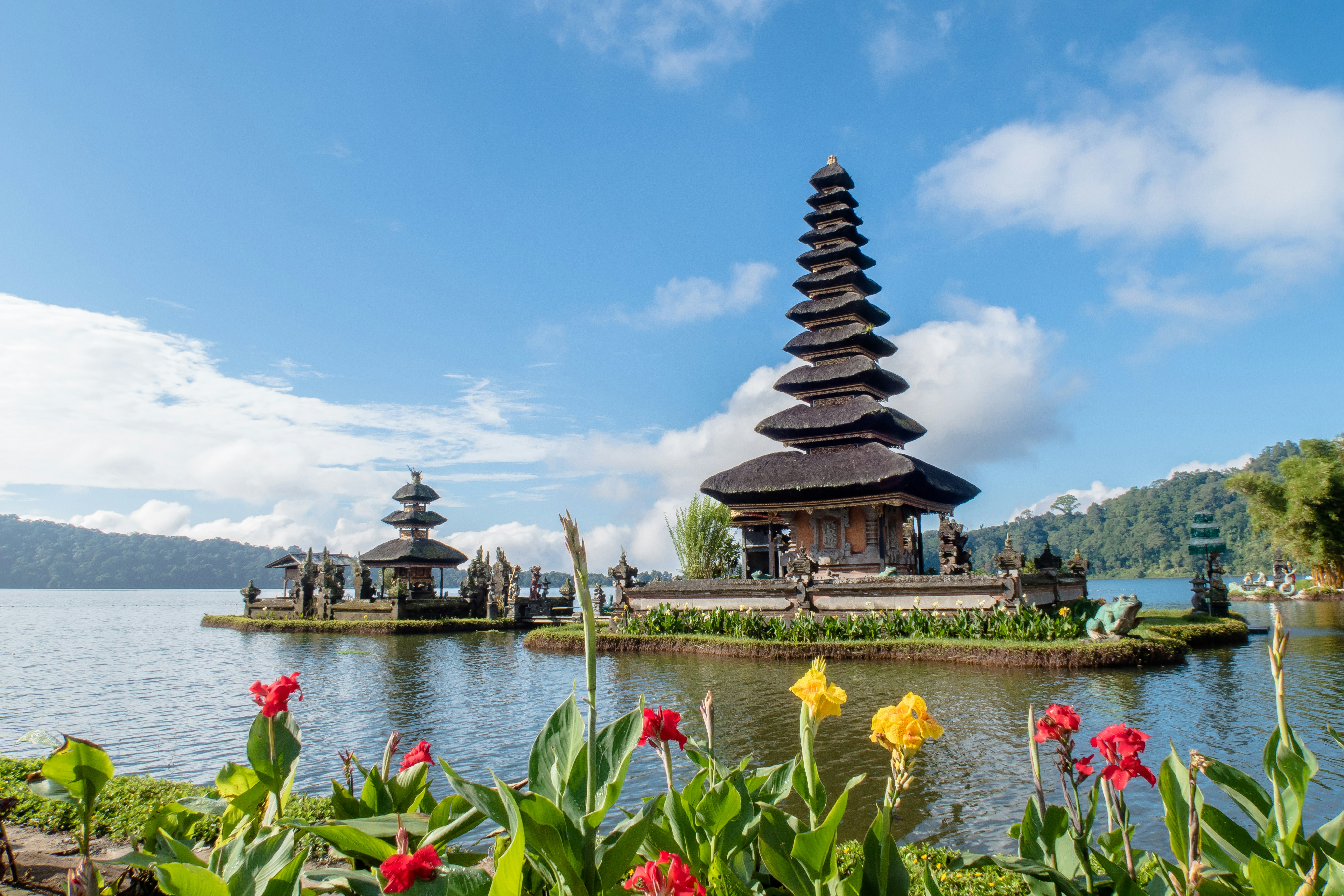
Indonesia, with its 17,000 islands, offers a unique opportunity for solo travelers to immerse themselves in diverse cultures and landscapes. From the bustling streets of Jakarta to the tranquil beaches of Bali, every corner of Indonesia tells a different story. Whether you’re exploring ancient temples or diving into the rich marine life, Indonesia promises an unforgettable adventure.
Quick Answer: Solo Travel in Indonesia
Solo travel in Indonesia offers diverse experiences from lively cities to calm beaches. With a range of accommodation options and efficient transport, travelers can explore safely. Be mindful of cultural norms, such as modest dressing and using the right hand for interactions, to enhance your experience.
Expats who have visited Indonesia often highlight the country's rich cultural tapestry and the warmth of its people, which make solo travel both rewarding and safe.
Best Time to Visit Indonesia Month By Month
Indonesia's tropical climate makes it an attractive destination year-round, but understanding the weather patterns can enhance your travel experience. January to March marks the wet season, with cities like Jakarta and Bali experiencing heavy rainfall. However, the rain often comes in short bursts, leaving plenty of time for exploration. Average temperatures range from 24°C to 31°C (75°F to 88°F).
April to June signals the start of the dry season, making it one of the best times to visit. Bali and Yogyakarta enjoy pleasant weather with less humidity. Temperatures hover around 26°C to 32°C (79°F to 90°F). July to September is the peak tourist season due to the dry weather. Popular destinations like Bali and Lombok are bustling, so it's advisable to book accommodations in advance.
October to December marks the transition back to the wet season. While rain increases, it's still a good time to visit cultural sites in cities like Ubud. Average temperatures are 25°C to 31°C (77°F to 88°F). The lesser-known island of Flores experiences a unique microclimate, with drier conditions even during the wet season, making it a hidden gem for travelers.
Top 10 Cities and Destinations in Indonesia
Indonesia offers a diverse array of cities and destinations, each with unique attractions. Jakarta, the bustling capital city, is known for landmarks like the National Monument and the Istiqlal Mosque. Entry to the National Monument costs IDR 15,000 (~$1). Bali is famous for its beaches and temples, such as Uluwatu Temple, with entry fees typically around IDR 30,000 (~$2).
Yogyakarta is renowned for Borobudur and Prambanan temples, with entry fees of IDR 350,000 (~$23) for Borobudur. Bandung offers a cooler climate and attractions like Tangkuban Perahu Volcano, with an entry fee of IDR 200,000 (~$13). Surabaya is known for its colonial architecture and the Suramadu Bridge.
Lombok features stunning beaches and Mount Rinjani, with trekking fees around IDR 150,000 (~$10). Medan serves as the gateway to Lake Toba, the largest volcanic lake. Semarang offers historical sites like Lawang Sewu. Makassar is known for Fort Rotterdam and Losari Beach. Flores is home to the Komodo National Park, with entry fees of IDR 150,000 (~$10). The city of Solo, or Surakarta, is often overlooked but offers rich Javanese culture and traditional markets.
Visa and Entry Requirements for Indonesia
Travelers need to be aware of the visa requirements when planning a trip to Indonesia. Visa-Free Entry is available for citizens from 169 countries, allowing entry for up to 30 days, which can't be extended. Visa on Arrival is available for 86 countries, costing IDR 500,000 (~$33) for a 30-day stay, extendable once for another 30 days.
The Social-Cultural Visa allows for a 60-day stay, extendable up to 180 days, requiring a local sponsor and costing IDR 1,500,000 (~$100). The Business Visa is for business purposes, allowing stays up to 60 days, with similar costs and extension possibilities as the social-cultural visa. Indonesia has introduced a new "Digital Nomad Visa" allowing remote workers to stay for up to a year without paying local taxes.
Recent 2026 Update: The e-Visa system has been streamlined for easier application, reducing processing times to 3-5 business days (source: imigrasi.go.id).
Getting Around Indonesia: Trains, Buses, Flights and Rideshare
Indonesia's vast archipelago requires a mix of transportation modes. Trains operate mainly on Java and Sumatra, with a Jakarta to Yogyakarta train ticket costing around IDR 400,000 (~$26) for economy class. Buses are an affordable option for intercity travel, with a Jakarta to Bandung trip costing about IDR 100,000 (~$6.50).
Flights are essential for traveling between islands, with domestic airlines like Garuda Indonesia and Lion Air connecting major islands. A flight from Jakarta to Bali averages IDR 1,200,000 (~$80). Rideshare apps like Gojek and Grab are popular in cities, with a 10 km ride in Jakarta costing approximately IDR 40,000 (~$2.60).
The Trans Jakarta bus system offers an extensive network with a flat fare of IDR 3,500 (~$0.23), making it a budget-friendly way to explore the capital.
Best Hotels and Accommodation By Budget in Indonesia
Indonesia caters to all budgets with a wide range of accommodations. Budget travelers can find capsule hotels like The Packer Lodge in Jakarta, offering beds from IDR 150,000 (~$10) per night. For a unique stay, eco-friendly resorts like Bambu Indah in Ubud offer bamboo villas from IDR 2,250,000 (~$150). The Green Village in Bali offers sustainable luxury accommodations built entirely from bamboo, providing a unique eco-friendly experience.
| City | Budget Hotel | Price/Night | Mid-Range Hotel | Price/Night | Luxury Hotel | Price/Night |
|---|---|---|---|---|---|---|
| Jakarta | The Packer Lodge | IDR 150,000 (~$10) | Artotel | IDR 600,000 (~$40) | The Mulia | IDR 4,500,000 (~$300) |
| Bali | Kayun Hostel | IDR 200,000 (~$13) | U Paasha Seminyak | IDR 1,000,000 (~$67) | The St. Regis | IDR 6,000,000 (~$400) |
| Yogyakarta | EDU Hostel | IDR 100,000 (~$7) | Gallery Prawirotaman | IDR 700,000 (~$47) | Amanjiwo | IDR 8,000,000 (~$533) |
| Bandung | Buton Backpacker Lodge | IDR 120,000 (~$8) | Hotel Aryaduta | IDR 800,000 (~$53) | Padma Hotel | IDR 3,500,000 (~$233) |
| Surabaya | My Studio Hotel | IDR 90,000 (~$6) | Hotel Majapahit | IDR 900,000 (~$60) | Shangri-La | IDR 4,000,000 (~$267) |
Must-try Food and Where to Eat in Indonesia
Indonesia offers a rich culinary tapestry that reflects its diverse culture and geography. When traveling solo, indulging in local cuisine is a must-do experience. Here are some must-try dishes and where you can savor them: - Nasi Goreng: Often considered Indonesia's national dish, this flavorful fried rice is usually served with a fried egg, chicken, and prawn crackers.- Rendang: A slow-cooked beef dish infused with coconut milk and spices. Originating from Sumatra, you can find authentic rendang in Padang restaurants, which are scattered throughout Indonesia. "RM Sederhana" is a renowned chain where you can try this delicacy. - Satay: Skewered and grilled meats served with peanut sauce. Bali is famous for its satay, and "Warung Sate Plecing Arjuna" in Denpasar offers a variety of options, including chicken and pork. - Gado-Gado: A salad of boiled vegetables, tofu, and tempeh topped with peanut sauce.- Bakso: A meatball soup that's a staple street food. In Yogyakarta, "Bakso Pak Man" is a local favorite, offering a rich broth and tender meatballs. - Soto: A traditional soup made with chicken or beef, often enjoyed as a hearty breakfast. "Soto Betawi H. Ma'ruf" in Jakarta serves one of the best versions, featuring a creamy coconut milk broth. - Babi Guling: A Balinese specialty of spit-roasted pig. "Warung Babi Guling Ibu Oka" in Ubud is famous for its succulent and flavorful servings. - Pempek: A fish cake delicacy from Palembang, often served with a tangy vinegar sauce. "Pempek Ny. Kamto" in Yogyakarta offers a variety of pempek styles. When dining in Indonesia, prices are generally affordable.30 / ~€1.20).30 / ~€3).60 / ~€4.30). to $7, €1.80 to €6). Upscale restaurants may charge more, but the experience and flavors are worth every rupiah. Exploring these culinary delights won't only satisfy your taste buds but also provide a deeper understanding of Indonesia's rich cultural heritage.Safety Tips and Scams to Avoid in Indonesia
Staying safe in Indonesia involves being aware of common scams and taking precautions. Pickpocketing is common in crowded areas like markets and public transport, so keep valuables secure. Taxi Scams can be avoided by using reputable services like Blue Bird Group to prevent meter tampering.
Be cautious of Fake Guides, and only hire guides from official agencies, especially in tourist areas like Borobudur. Safety Statistics indicate that Indonesia has a relatively low crime rate, but petty theft is common in tourist hotspots. Emergency Numbers to remember are 112 for emergencies, 110 for police, and 113 for fire services.
In Bali, some locals may offer "blessing ceremonies" for a fee, which are often unofficial and can be politely declined.
Realistic Daily Budget Breakdown for Indonesia
Understanding the cost of travel in Indonesia helps in planning a budget-friendly trip. Budget Travelers can manage on IDR 400,000 (~$26) per day, covering hostels, street food, and local transport. Mid-Range Travelers should budget around IDR 1,200,000 (~$80) per day for mid-range hotels, restaurant meals, and occasional tours.
Luxury Travelers can expect to spend IDR 3,000,000 (~$200) per day on luxury accommodations, fine dining, and private tours. In Bali, many high-end restaurants offer affordable lunch specials, providing a taste of luxury on a budget.
Cultural Etiquette and Unwritten Rules in Indonesia
Respecting local customs enhances your travel experience in Indonesia. Dress Modestly, especially in rural areas and religious sites, where women should cover shoulders and knees. Always use your Right Hand for eating and giving or receiving items, as it's considered more polite.
Shoes Off is a common practice when entering homes or certain temples. In Java, it's considered impolite to point with your index finger. Use your thumb instead.
Hidden Gems and Off-the-beaten-path Spots in Indonesia
Exploring lesser-known destinations can offer unique experiences. The Wakatobi Islands are known for pristine diving spots, less crowded than Bali. Tana Toraja offers unique cultural experiences with traditional funeral ceremonies. Belitung Island features stunning granite boulders and clear waters, ideal for a quiet beach retreat.
The island of Sumba is gaining popularity for its untouched beaches and traditional villages, offering a glimpse into ancient Indonesian culture.
Hidden Cost
Travelers to Indonesia often encounter unexpected costs that can surprise even seasoned expats. Here are some to watch out for:
- Currency Exchange Fees: Many local money changers charge up to 3% commission, so it's wise to compare rates and look for banks without hidden fees.
- ATM Withdrawal Charges: International cards can incur fees up to $5 per transaction. Using local banks like BCA or Mandiri could reduce fees.
- Data Roaming Costs: Mobile data can be expensive if not planned. local SIM cards from Telkomsel, costing around $10, are a more affordable option.
- Tourist Tax: Bali charges a $10 environmental fee upon departure, often not included in initial travel budgets.
- Hotel Service Fees: Some hotels add a 21% service charge and tax to bills, which can significantly increase overall accommodation costs.
- Visa Overstay Fines: Overstaying your visa can result in fines of up to IDR 1,000,000 (~$67) per day, swiftly adding up.
- Water Charges: In many restaurants, bottled water isn't complimentary, with prices ranging from $1 to $2 per bottle.
Cost of Living Breakdown
Understanding the cost of living in Indonesia is crucial for budgeting your solo travel. Here's a detailed breakdown:| Expense Category | Cost in IDR (Monthly) | Cost in USD (Monthly) | Cost in EUR (Monthly) |
|---|---|---|---|
| Accommodation (Hostel/Dorm) | 1,500,000 - 3,000,000 | 100 - 200 | 90 - 180 |
| Food (Local Eateries) | 1,000,000 - 1,500,000 | 67 - 100 | 60 - 90 |
| Transportation (Local Transport) | 300,000 - 500,000 | 20 - 34 | 18 - 30 |
| Entertainment (Movies, Events) | 400,000 - 800,000 | 27 - 54 | 24 - 48 |
| Miscellaneous (Shopping, Others) | 500,000 - 1,000,000 | 34 - 67 | 30 - 60 |
Local Festivals and Events
Participating in local festivals can provide a deeper understanding of Indonesian culture. Nyepi Day in Bali is a day of silence and reflection, where the entire island shuts down, offering a rare opportunity for introspection. In Yogyakarta, the Sekaten Festival celebrates the birth of the Prophet Muhammad with traditional music and food stalls, providing a vibrant cultural experience. The Toraja Funeral Ceremony in Sulawesi, although somber, is a fascinating insight into local customs, where elaborate rituals and feasts celebrate the life of the deceased.Transportation Costs and Options
Navigating Indonesia's vast archipelago requires an understanding of available transportation options. Domestic flights between major cities like Jakarta and Bali can cost between IDR 500,000 to 1,500,000 ($34 to $100, €30 to €90), depending on the season. Intercity buses are a budget-friendly option, with fares from Jakarta to Bandung averaging IDR 100,000 ($7, €6).70, €0.60). Ride-sharing apps like Gojek and Grab offer convenient and affordable options for urban travel.Frequently Asked Questions
Is Indonesia safe for solo travelers?
Yes, Indonesia is generally safe, but it's important to stay vigilant in crowded areas.
What is the best way to travel between islands?
Domestic flights are the fastest, with ferries as an alternative for nearby islands.
Do I need a visa to visit Indonesia?
Many nationalities can enter visa-free for 30 days. Check specific requirements on imigrasi.go.id.
What are the cultural norms I should be aware of?
Dress modestly and use your right hand for interactions.
How much should I budget for a week in Indonesia?
Budget travelers can manage on $180, while mid-range travelers should plan for $560.
What are the best places to visit in Indonesia?
Bali, Yogyakarta, and Komodo National Park are must-see destinations.
Are there any specific scams to watch out for?
Be cautious of taxi scams and unofficial guides in tourist areas.
Final Thoughts
Indonesia's diverse landscapes and rich cultural heritage make it a fascinating destination for solo travelers. With careful planning and awareness of local customs, you can enjoy a safe and enriching journey. Whether you're trekking through lush jungles or relaxing on pristine beaches, Indonesia offers a multitude of experiences that cater to all types of travelers. Embrace the adventure and immerse yourself in the cultures and breathtaking scenery that this beautiful country has to offer.
Sources and Official Links
- Imigrasi Indonesia — imigrasi.go.id
- Directorate General of Taxes (DJP) — pajak.go.id
- Ministry of Tourism and Creative Economy — kemenparekraf.go.id
All information verified as of May 2026. Policies and costs may change — always verify with official sources before making decisions.
Rate this article
Arin Vale
AbroVa's resident expat guide, distilling years of global living into actionable advice for your next move abroad.